How did the rollout come about
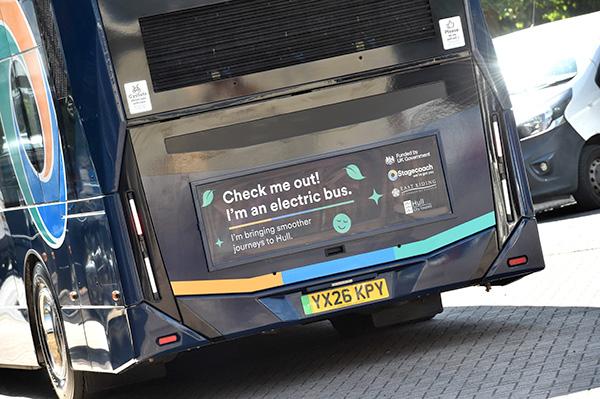
The initial joint bid for funding was submitted in November 2023, with the Government announcing, in March 2024, that this had been successful, with an allocation of around £6m being made available for the purchase of 40 electric buses and the installation of associated charging infrastructure.
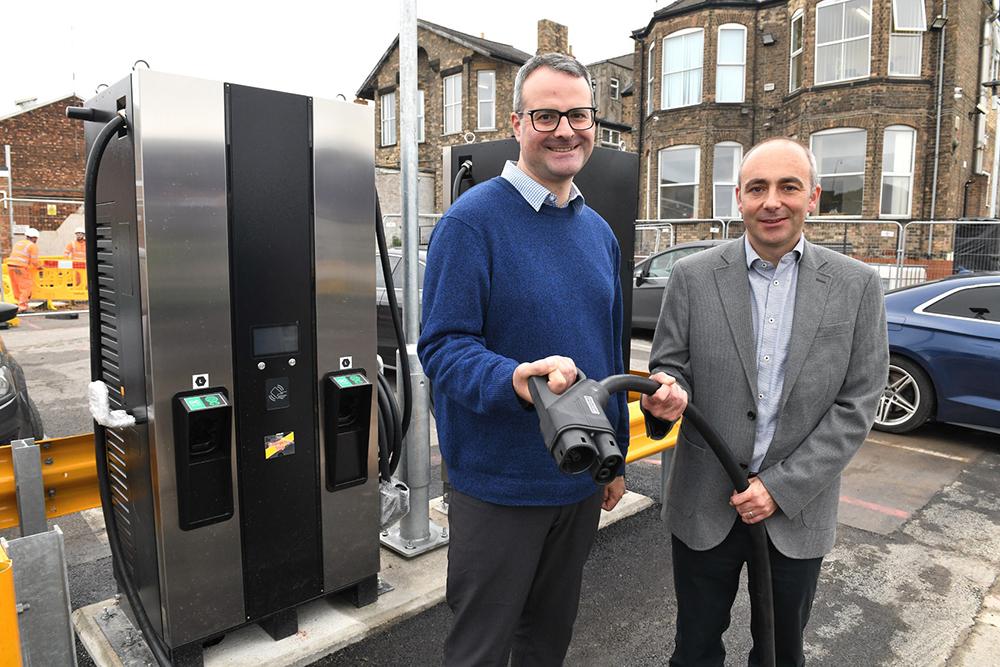
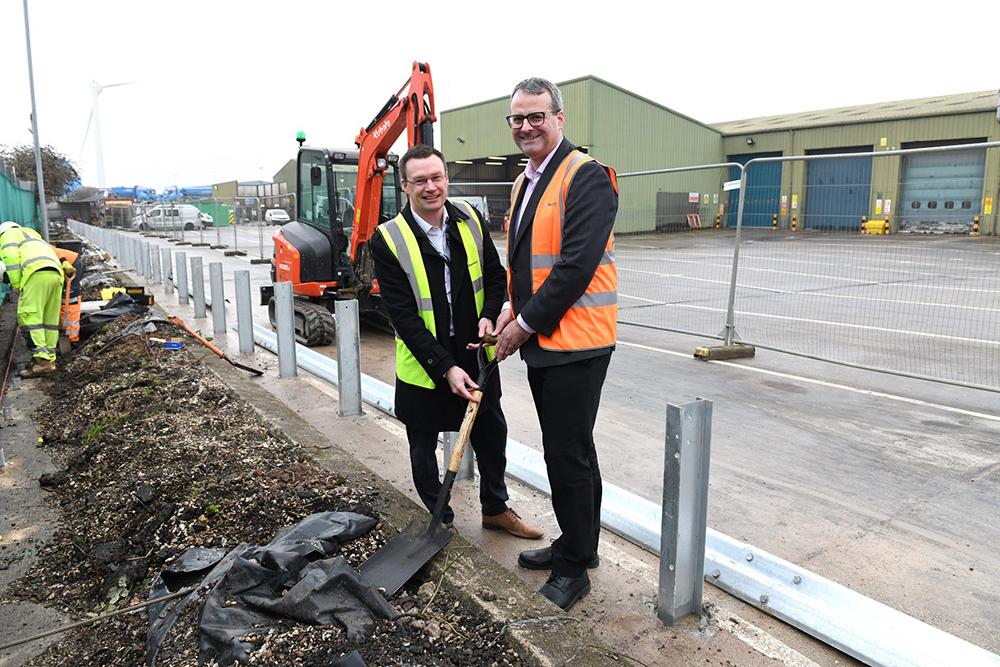
As part of the bid, Hull City Council committed capital funding of its own towards the installation of EV chargers at Stagecoach’s Foster Street Depot and East Yorkshire’s Anlaby Road Depot.
In October 2024, Stagecoach submitted a national order for electric buses with Alexander Dennis and East Yorkshire, via the Go-Ahead Group, submitted an order to Wright Bus.
In April 2025, the Government announced additional funding, around £3.9 million, for the purchase of 42 more vehicles.
When will the new vehicles be operational
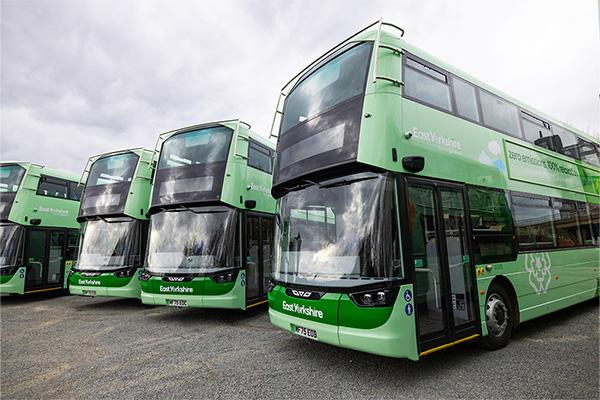
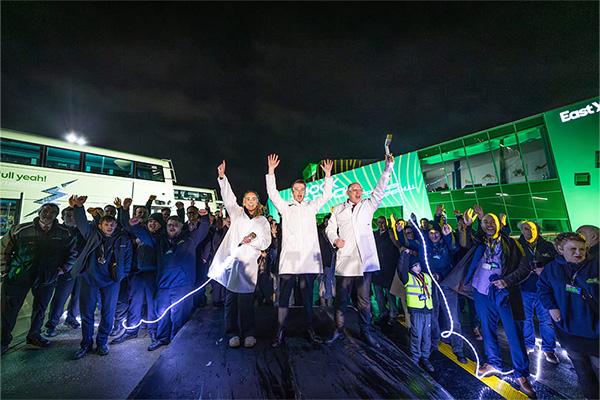
East Yorkshire Buses hosted a launch event called 'Shock the Dock' in March 2026 to unveil its new fleet of zero-emission vehicles.
Against the iconic backdrop of The Deep, the operator showcased 27 new British-built electric buses.
The new buses entered service in April 2026, operating on routes 56, 57 and 58, serving key locations including Hull, Cottingham and Hessle.
The routes provide important links for communities, helping people access work, education, health facilities and stay connected with family and friends.
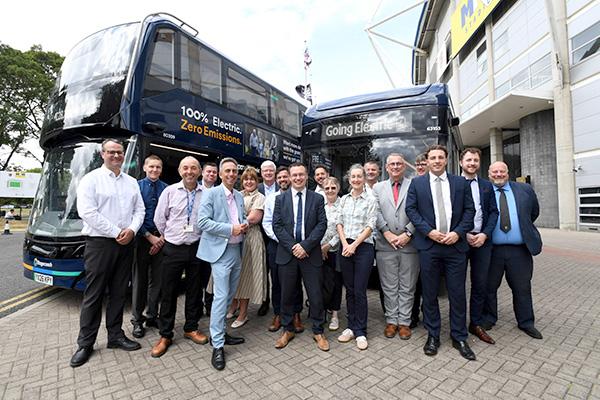
Stagecoach East Midland’s new fleet of 42 electric buses were unveiled at an event at the MKM Stadium, with dignitaries from Hull City Council and East Riding of Yorkshire Council, as well as other key representatives, in August 2026.
The investment forms the biggest order of buses in the last 125 years for Hull.
The new vehicles are now in service on Services 3, 5 and 12, and it is planned that they will extend to Services 7, 8, 13, 14 and 15.
The operator intends that 55 buses in its fleet, in the city, will be electric within the next 12 months, and has installed 56 charging points at its Foster Street depot. The range of a fully charged electric double-decker is approximately 260 miles, and single-decker 300 miles, whereas a typical bus, in Hull, will travel 135 miles each day.